
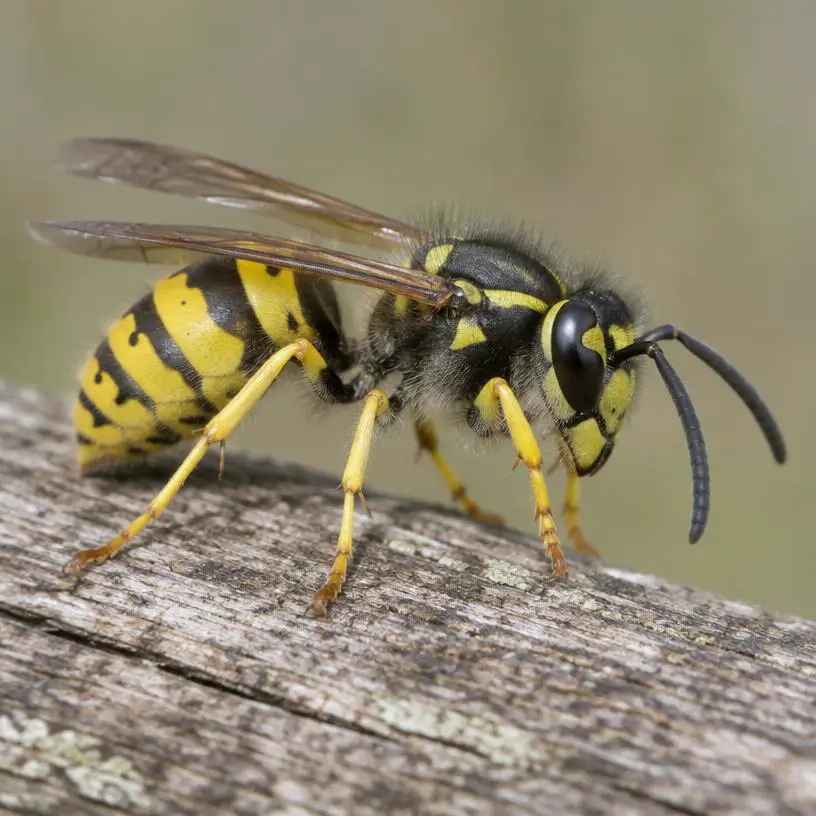
No. 01We treat
Common wasp
Vespula vulgaris
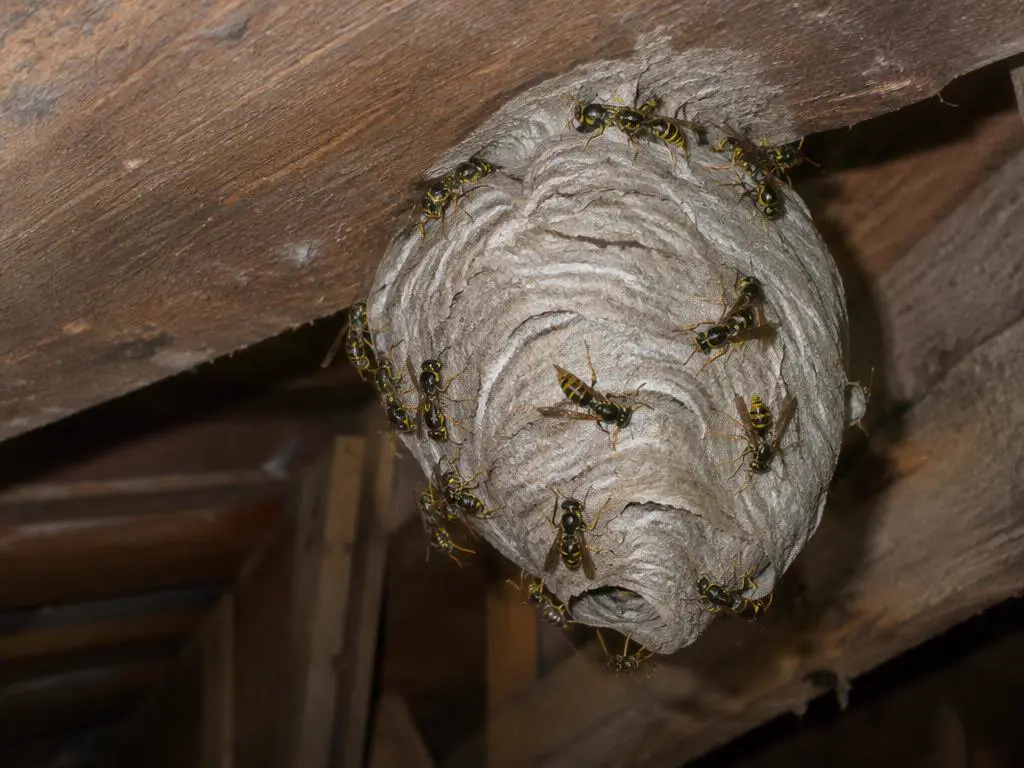
Our most frequent visitor. Nests in lofts, soffits and the ground.
The Middlesex field guide to wasp nests
£129 fixed · wasps or hornets · no call-out fee
When you call, you speak to the technician who will do the job. Tell us where the nest is and we will give you the price and a time.
Message us where the nest is — a technician replies with the price and a time to visit. Open 8am–9pm, 7 days a week; treatments run from sunrise to sunset.
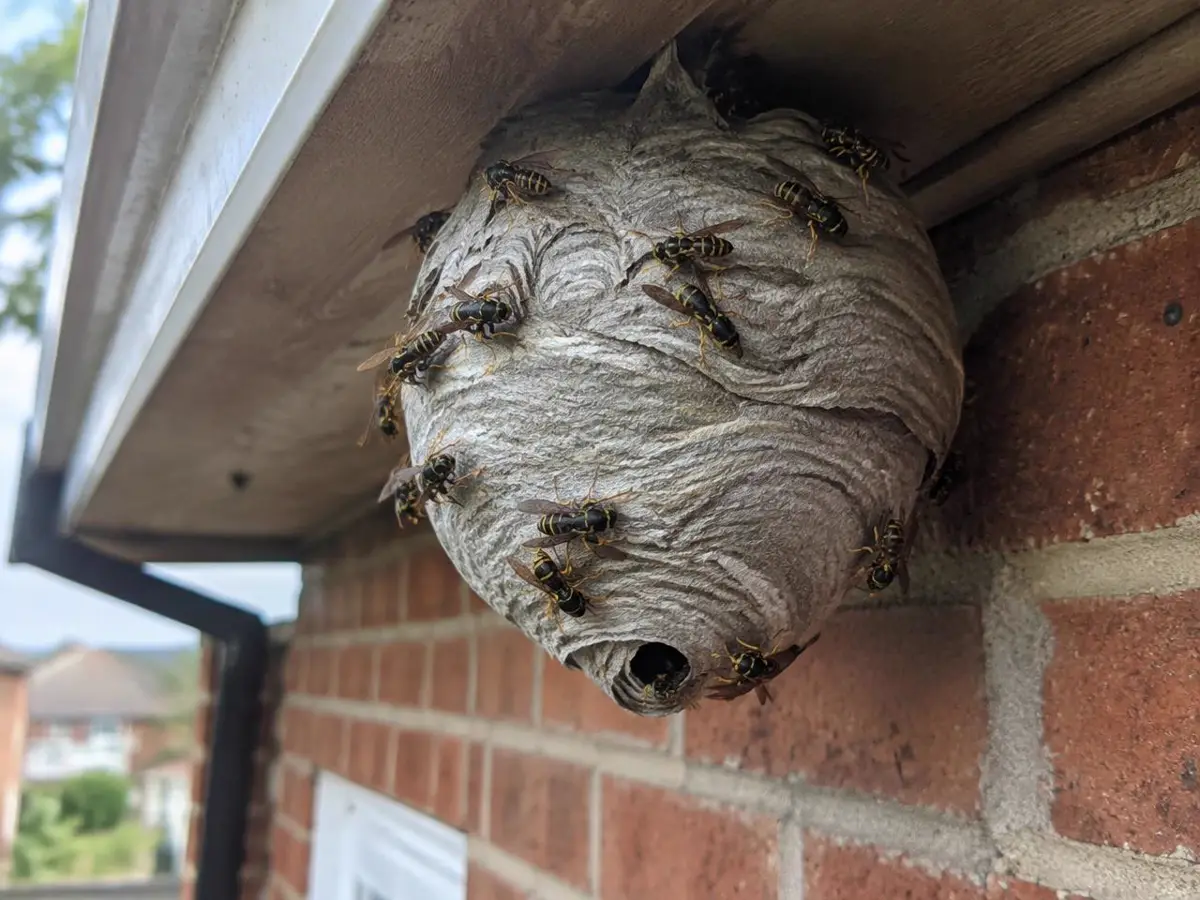
Pick where you've seen wasps going in and out. We'll tell you what it probably is, what to avoid, and what happens next.
01
02
03
04
Price£129 fixed price, wasps or hornets. No call-out fee. Free revisit if required.
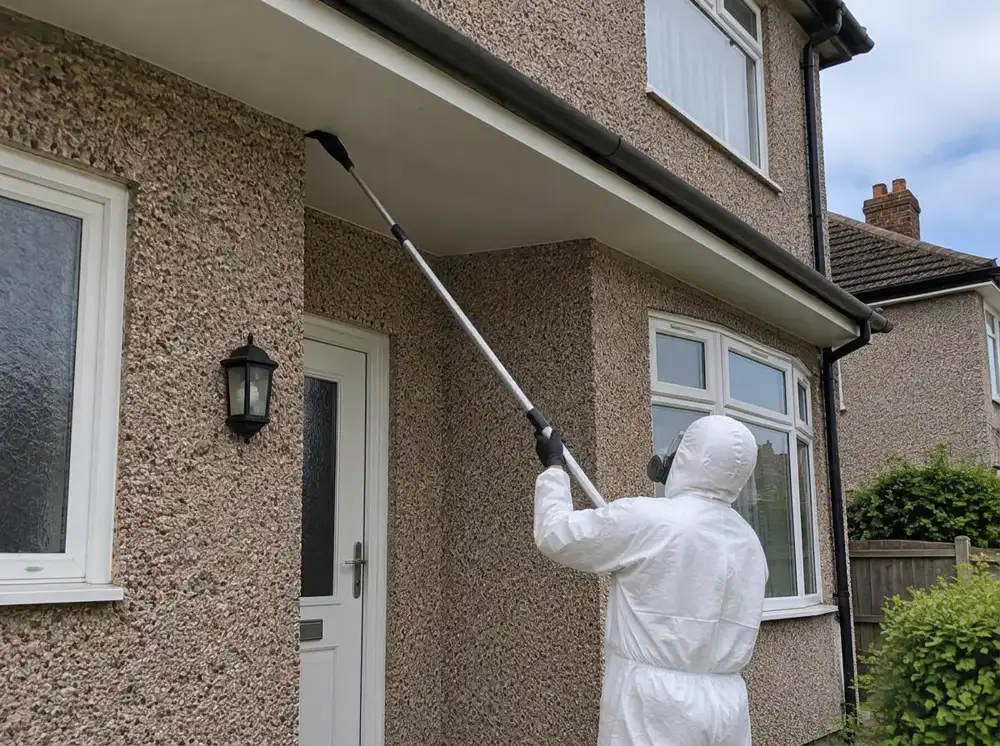
The promise
We tell you the price on the phone, and that is the price you pay. There is no call-out fee.
If the nest is still active after we have treated it, we come back for free.
Our technicians are fully licensed and insured. If it is bees, we will say so and leave them alone. And we turn up when we say we will.
— The Wasp Nest Removal Middlesex team
0 min
You speak to a technician who asks where the nest is and confirms the price.
Same day
In a time window we agree on the phone. We find the entrance and check it is wasps.
+15 min
Product goes directly into the nest. Most visits take less than half an hour.
+2 hrs
Returning foragers die off. Keep clear of the entrance.
+24 hrs
If it is not, call us and we come back free.
While you wait
Keep windows near the nest shut. Keep children and pets indoors or away from that side of the house. Don't block the entrance; trapped wasps look for another way out, sometimes indoors.
Plenty of spring calls turn out to be bees. Here's how to tell them apart. Not sure? Read our bee or wasp guide or send us a photo.
Vespula vulgaris
Our most frequent visitor. Nests in lofts, soffits and the ground.
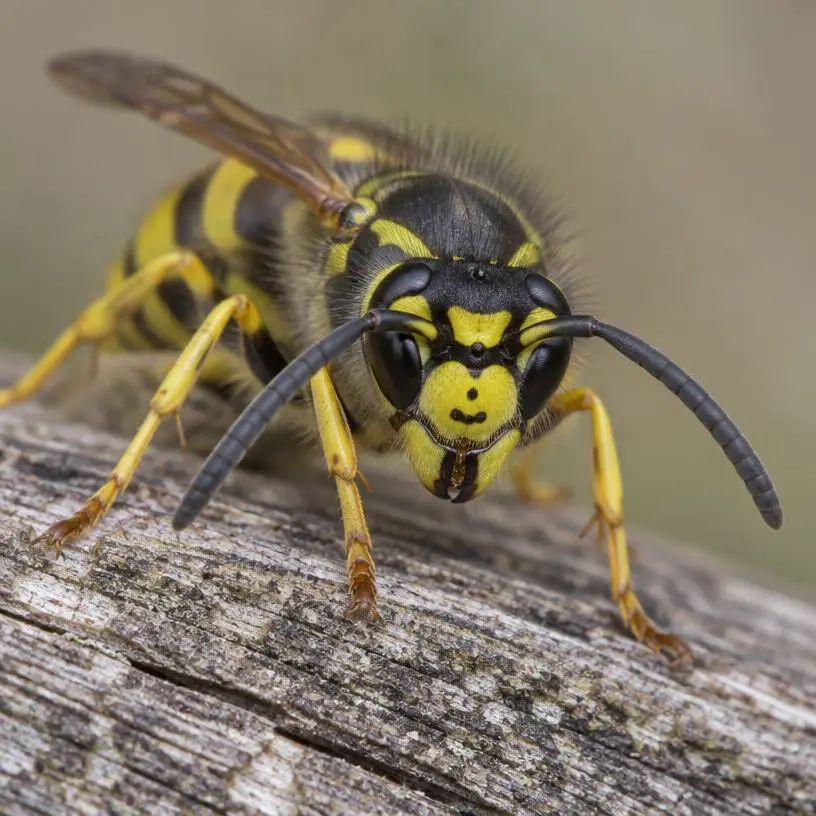
Vespula germanica
Almost identical to the common wasp; three black dots on the face.
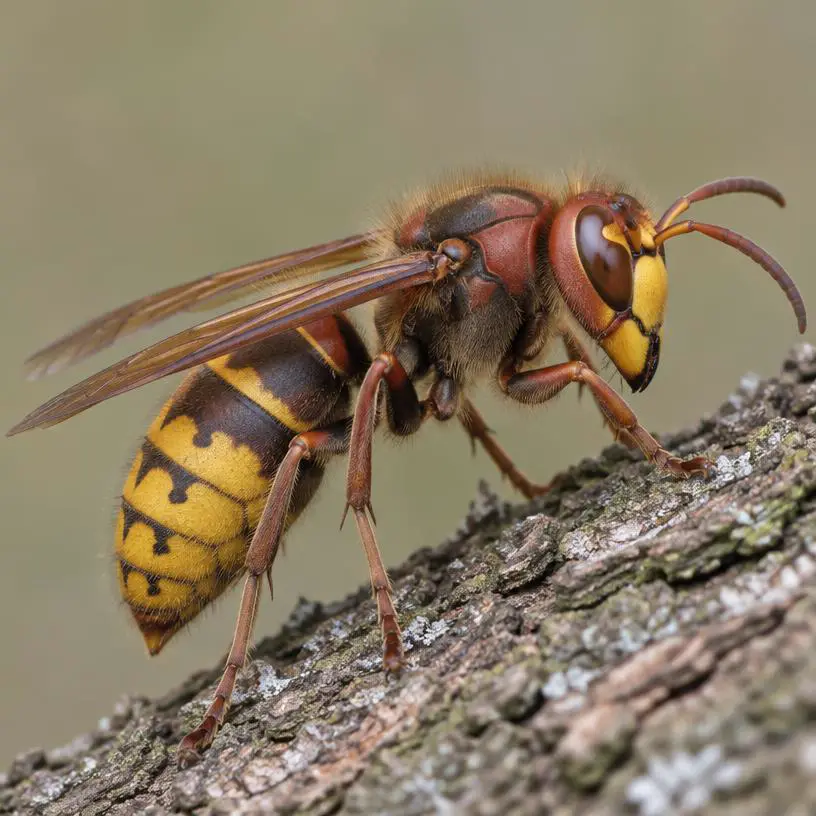
Vespa crabro
Native, large and reddish-brown. Calmer than wasps; treated only where there is a risk.
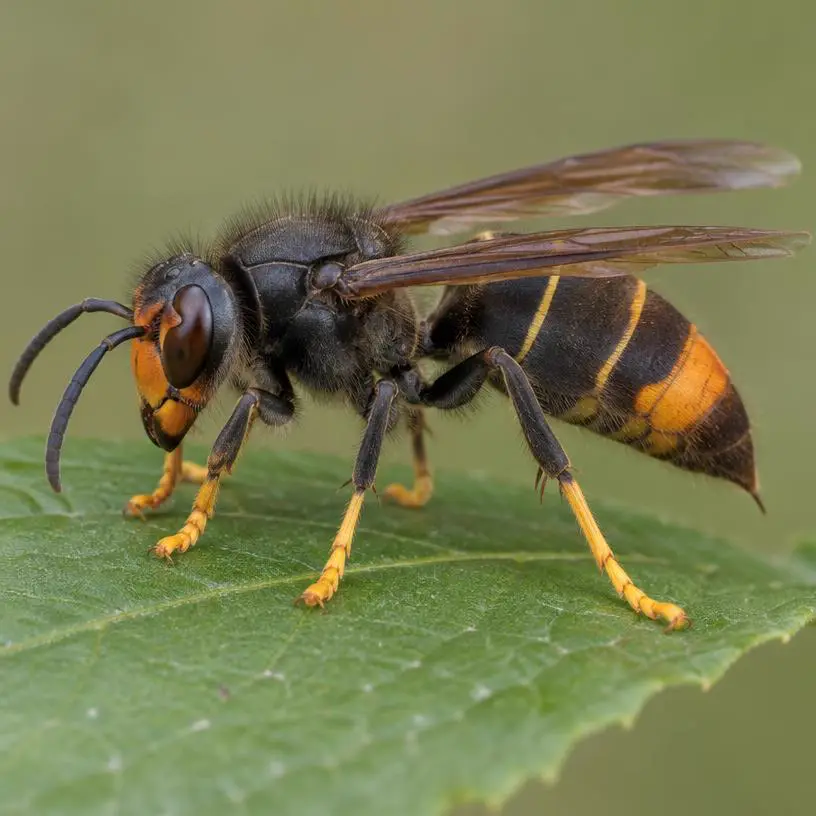
Vespa velutina
Invasive. Dark body, yellow leg tips. Report sightings to the GB Non-Native Species Secretariat via the Asian Hornet Watch app.
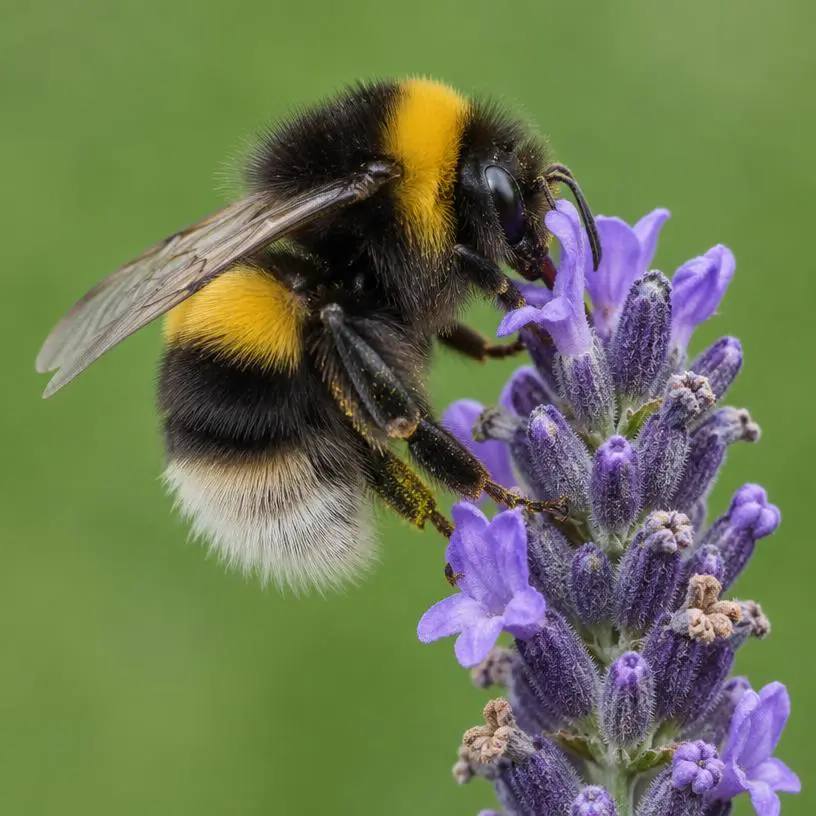
Bombus spp.
Fuzzy, round, often in old mouse holes or bird boxes. Leave them be.
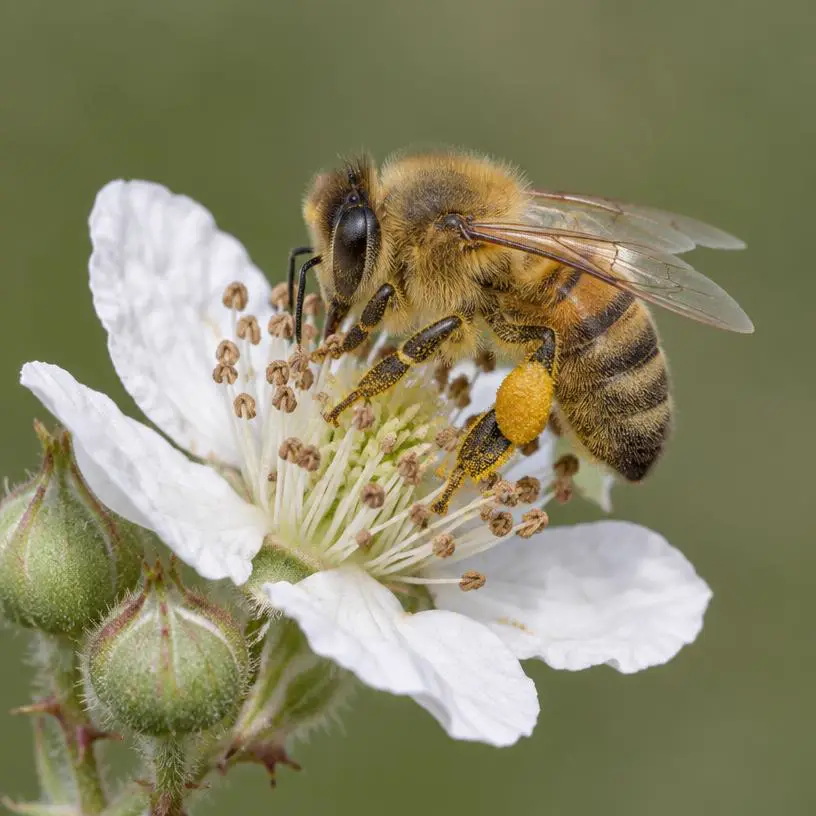
Apis mellifera
Swarms and established colonies go to local beekeepers.
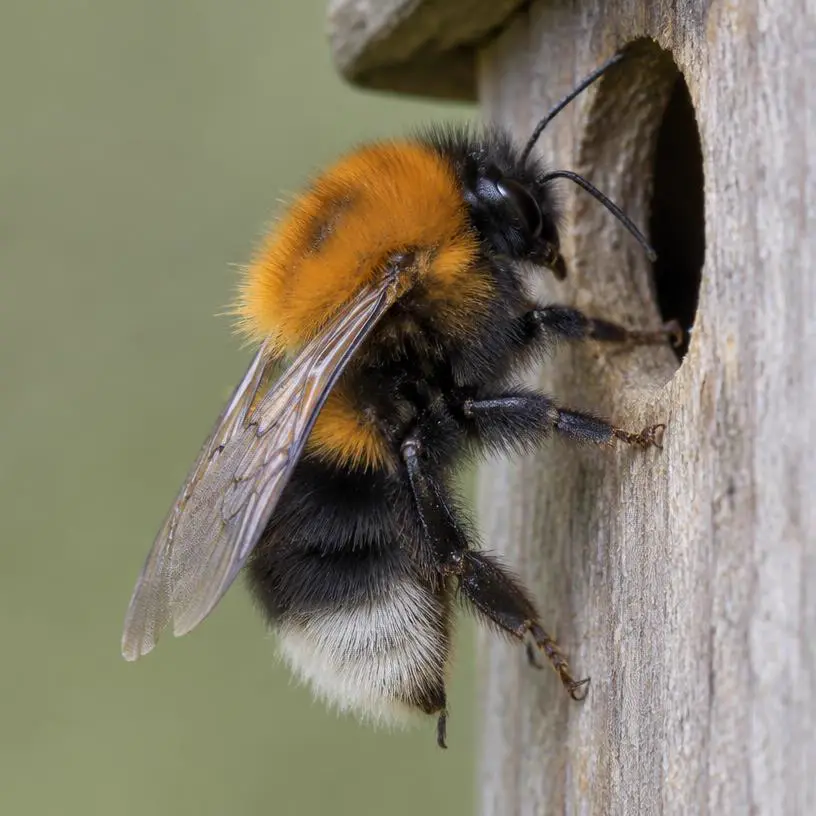
Bombus hypnorum
Ginger thorax, white tail. Often in bird boxes and roof spaces. Short-lived and harmless.
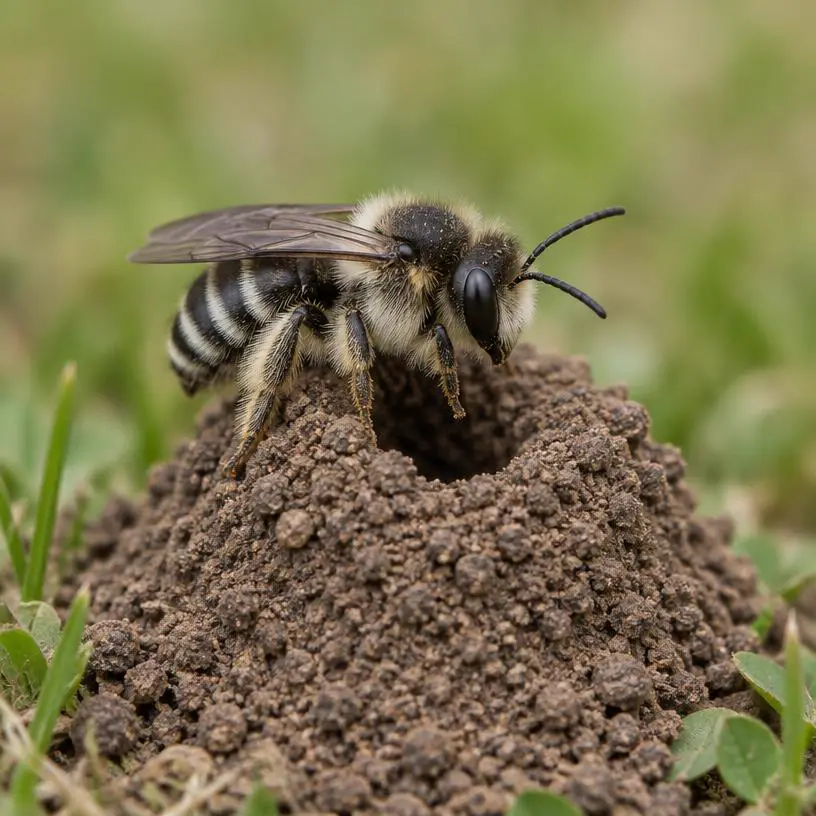
Andrena spp.
Small volcano-shaped mounds in lawns in spring. Solitary and gentle.
Local knowledge
Ruislip, Pinner, Eastcote, Harrow
Hipped tiled roofs, timber soffits and bay windows with their own small roofs. Shrinking soffit boards leave gaps right where the bay meets the wall, the single most common nest spot we see.
Hounslow, Hayes, Southall, Feltham
Rendered walls hide cracks and loose air bricks low down. Wasps use those to reach underfloor voids and cavities.
Twickenham, Isleworth, Sunbury
Boathouses, garden stores and old walled gardens near water give wasps easy water and shelter.
Acton, Ealing, Hanwell
Slate roofs with lifting slates, disused chimneys and shared loft voids. Nests are often high up and close to the party wall.
Heathrow, Hayes, Park Royal
Roller-shutter boxes, cladding seams and pallet stacks. We work around shift patterns.
Harefield, the Colne Valley
Barns, stables, hedgerows and field banks. Ground and outbuilding nests are much more common here.
We cover HA, UB, TW and EN postcodes, plus W3, W5, W7, W13 and the Middlesex edge of NW.
This month
Checking the season
Most visits across Middlesex happen the same day you call. When we are busy in late summer it may be the next morning. We give you a time window on the phone and keep to it.
£129 fixed, for a wasp or hornet nest. We confirm it on the phone before we book. There is no call-out fee, nothing is added on the day and a revisit is free if the nest is still active.
Not always. If the nest is outside and we can reach it safely, we can treat it while you are out and send you a message when it is done.
No. Wasps that were out foraging come back and die off over the following hours. Most nests are inactive within a day.
We come back and treat it again at no cost. That is our free revisit guarantee.
Usually not, and it is rarely needed. A dead nest is never reused. If it is somewhere it causes a problem, ask us on the phone.
We apply a small amount of professional product directly into the nest, not across the garden. Keep pets and children away from the entrance for the rest of the day.
No. If it turns out to be bees we will say so honestly, give you advice, and put you in touch with a local beekeeper where possible.
Take a photo if you can do so safely, and report it to the GB Non-Native Species Secretariat through the Asian Hornet Watch app. Do not approach the nest.
Our bee commitment
We do not treat bees. Ever. If you call us about a nest that turns out to be bees, we'll tell you, explain why they're best left, and point you to a local beekeeper if they need moving.
Fixed price on the phone. No call-out fee. Free revisit if the nest is still active.